Mattress Materials & Shopping Guide
Organic Latex Sleep Surfaces: A Guide to Core, Cover, and Care
A mattress is more than the material beneath a sheet. Its core, comfort layers, cover, and supporting base work together to shape how it feels and how it must be maintained. For shoppers considering organic latex, understanding those parts is the first step toward comparing options with confidence.
Start with the whole construction
The word “latex” describes a material, not a complete mattress design. One latex mattress may have a single solid core under a stitched cover; another may be built from several layers with different firmnesses, a zoned center, or a separate topper. Cotton, wool, and other materials may surround or sit above the latex. The details matter because each part contributes something different to the finished sleep surface.
Think of a mattress as a small landscape of interacting layers. The core provides the principal support structure. Comfort layers influence how the surface responds to pressure. A cover holds the construction together and can add cushioning or insulation. Beneath it all, a foundation or frame helps the mattress remain properly supported. A description that names only the latex may leave important questions unanswered.
Before comparing prices or firmness labels, look for a materials list and a layer-by-layer specification. Record the core thickness, the number and thickness of comfort layers, the cover composition, and whether the layers can be rearranged or replaced. If a listing does not explain a key detail, ask the seller for clarification rather than assuming that products described as “organic latex” are constructed alike.
What “organic latex” does—and does not—tell you
Natural latex is made from rubber tree sap, which is processed into a resilient foam. “Organic” generally refers to how the agricultural raw material is grown and handled within a certification program. It does not, by itself, describe every step of processing or prove that every component of a finished mattress is organic. A product may contain an organic latex core alongside conventional fabric, synthetic materials, adhesives, or other components.
Look for precise language: which component is certified, what standard applies, and whether the certification covers the latex itself or the finished product. Certifications such as GOLS are associated with organic latex products; other standards may apply to textiles, such as cotton or wool. Check the actual certificate or the certifier’s scope when that distinction matters to you. A logo or broad “eco” claim is not a substitute for a clear materials disclosure.
Also distinguish between natural latex, blended latex, and synthetic latex. These terms describe different material compositions, but labels are not always used consistently in casual marketing. Ask what proportion of the foam is natural rubber, whether synthetic rubber is present, and whether the manufacturer can document the claim. If a shopper has an allergy or sensitivity, they should discuss the specific material and product with an appropriate health professional; a marketing label cannot determine an individual medical response.
Organic certification is one useful piece of information, not a complete measure of comfort, durability, or environmental impact. A mattress still needs to suit the sleeper, fit the bed frame, and meet the household’s care needs. Clear specifications make it possible to weigh these considerations without treating one label as a guarantee of everything a buyer values.
Dunlop, Talalay, and the feel of a latex core
Dunlop and Talalay refer to different manufacturing processes used to make latex foam. In broad terms, Dunlop latex is poured into a mold and vulcanized. Talalay production includes additional steps involving a partially filled mold, vacuum expansion, and freezing before vulcanization. The processes can produce foam with different characteristics, but neither name alone tells you whether a particular mattress will feel comfortable or provide the right support.
People sometimes describe Dunlop as denser or firmer and Talalay as lighter or more buoyant. Those are general impressions, not dependable rules for every product. Formulation, firmness, thickness, layering, and the cover all influence what a sleeper experiences. A shopper comparing two mattresses should consider the complete construction and, where possible, test the finished product rather than making a decision from the process name alone.
Ask whether the latex core is one piece or assembled from multiple layers. A single-piece core has a straightforward construction. Layered designs may allow a manufacturer to combine different firmnesses, and some models let owners rearrange or replace layers. That flexibility can be valuable, but it also creates practical questions: Are the layers secured? Can the cover be opened? Are replacement layers available, and what do they cost?
Thickness is another part of the picture. A core’s height does not automatically indicate its comfort or longevity. A thinner core used with other layers may feel different from a thicker one used alone, while the bed frame and the sleeper’s body size can affect how support is perceived. Compare dimensions and material details, but treat any prediction about feel as a starting point for testing, not a promise.
Layers, firmness, and pressure relief
Many latex mattresses combine a supportive base layer with softer material closer to the sleeper. The upper layer can change how readily the surface yields under shoulders, hips, and other pressure points. A firmer layer beneath it can help limit excessive sinking. The balance between these layers—not a single firmness word—shapes the overall feel.
Firmness labels are not universal measurements. “Medium” from one maker may not feel like “medium” from another. Sleep position, body shape, personal preference, and the mattress beneath a fitted sheet all influence the experience. Side sleepers often pay particular attention to pressure at the shoulder and hip; back and stomach sleepers may focus more on whether their body feels evenly supported. These are useful observations to guide a trial, not rigid prescriptions.
Zoned constructions use different support characteristics in selected areas. A three-zone design, for example, may divide a layer into sections running from head to foot. Find out where those sections sit and whether the mattress can be rotated or rearranged without disrupting the intended layout. For couples who prefer different feels, some designs offer split firmness or separately configurable sides. Confirm how that option works in the exact size being considered.
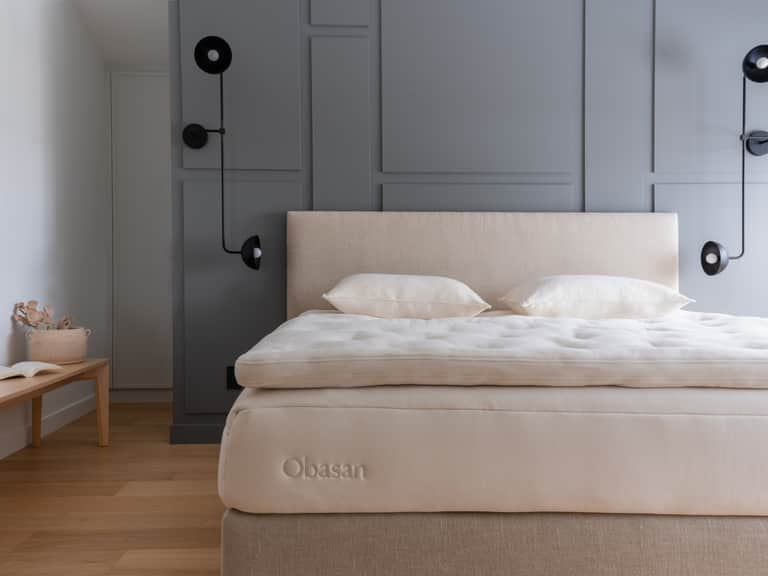
One example of a layered design is the Obasan Deluxe Dunlop Latex Mattress. Its listed construction includes organic Dunlop latex layers, a customizable zoned middle layer, a soft upper layer, and an organic cotton cover quilted with wool. The specifications also describe customization by side in queen and king sizes. These details illustrate why it is useful to review the complete build; they are not a substitute for comparing the mattress with your own comfort needs or verifying current product information.
The cover is part of the sleep surface
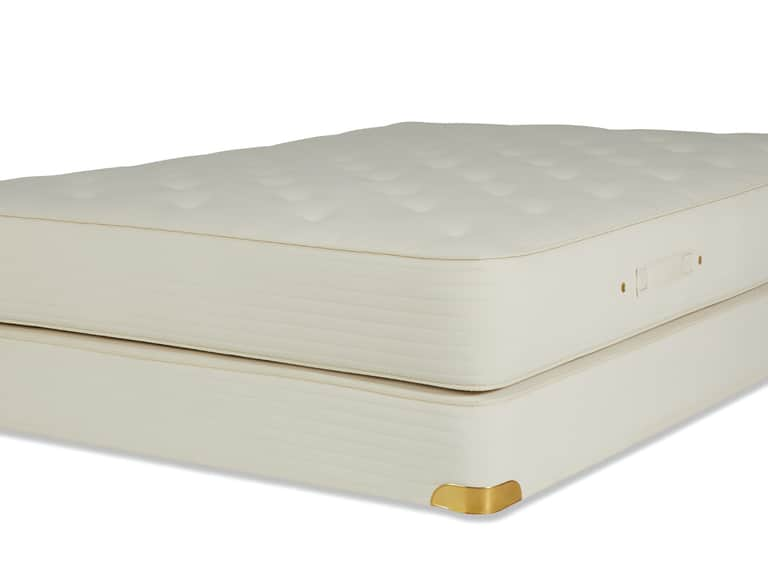
A mattress cover is not merely a decorative wrapper. Its fabric, quilting, stretch, and construction can influence the way the layers beneath it are felt. A tightly quilted or thick cover may create a more cushioned surface, while a stretch-knit cover may allow the underlying latex to respond more directly. Neither approach is automatically better; the right choice depends on the feel a shopper wants and the maker’s intended design.
Read the cover description carefully. Does it contain cotton, wool, or a blend? Is wool quilted into the cover, and if so, how much? Is the cover removable for spot cleaning or seasonal airing? Removable does not necessarily mean washable. Some covers can be unzipped but should only be spot-cleaned, while others are not intended to be removed at all. Follow the manufacturer’s directions rather than putting a cover in a washing machine based on its appearance.
Wool is sometimes used as a quilted layer and may contribute cushioning and moisture management. It can also be included as part of a product’s fire-safety construction. A mattress’s compliance and materials vary by product and region, so ask the manufacturer how the specific model meets applicable requirements. Do not infer that a mattress is free of all fire-related materials simply because its description emphasizes natural fibers.
If a cover contains natural fibers, ask how it is expected to age and whether it may shrink or change after use. A removable cover can make inspection and light cleaning more convenient, but opening the mattress may expose layers that must remain in a particular order. Check the assembly instructions before removing or rearranging anything.
Support begins below the mattress
Even a carefully constructed latex mattress depends on a compatible base. Slats that are too widely spaced, a frame without adequate center support, or a mattress placed directly on an unsuitable surface can affect stability and ventilation. Follow the maker’s requirements for the frame, slat width, spacing, and center support. These instructions are especially important for larger sizes, where the middle of the bed may need additional support.
Ask whether the mattress can be used on an adjustable base. A flexible latex core may be compatible with some adjustable frames, but the answer depends on the design and warranty terms. Do not assume that a mattress will work with every foundation simply because it bends. Confirm compatibility in writing when it affects your planned setup.
Rotation and flipping instructions also vary. Some mattresses are designed with a defined top and bottom and should not be flipped. Others may allow individual cores to be rotated or turned on a schedule. A zoned layer may have a specific orientation, so moving it without checking instructions could change the intended support pattern. Treat maintenance directions as part of the product specification, not as an afterthought.
Care, cleaning, and everyday protection
Latex mattresses generally require careful handling and should be kept dry. Before delivery, plan a route into the bedroom and make sure the bed frame is ready. During use, a well-fitting mattress protector can help guard against spills, perspiration, and everyday soil. Choose one that fits the mattress depth and does not create a surface feel you dislike. A protector’s material and construction can influence breathability and touch, so include it in the comfort evaluation.
If the mattress cover is removable, follow its care label. For spot cleaning, many manufacturers advise using a small amount of mild soap and very little water, then allowing the area to air-dry fully. Avoid soaking the cover or latex layers. Heat, direct sunlight, and strong cleaning agents may damage materials. The safest instruction is the one supplied for the exact mattress model; care advice for one latex mattress should not be assumed to apply to another.
Ask whether the inner layers may be aired seasonally and whether they need to be rotated. Keep any latex components away from direct heat and prolonged direct sunlight unless the manufacturer’s instructions say otherwise. Do not wash latex cores in a machine. If a spill reaches the interior, contact the manufacturer or retailer for product-specific guidance before attempting a deep clean.
Mattress protectors and pads serve different purposes. A protector is primarily a barrier against moisture and soil; a pad may add cushioning as well as some protection. A topper changes the feel more substantially and may alter how the mattress responds. Before adding layers, consider whether the original mattress already has a quilted comfort surface and whether an additional topper could interfere with the fit of fitted sheets or the intended support.
Keep the care instructions, warranty terms, and purchase details together. Warranty coverage often depends on conditions such as an appropriate foundation, proper use, and documented defects. It generally does not function as a promise that a mattress will remain unchanged or suit every sleeper indefinitely. Read the terms before purchase, including the process for making a claim and any exclusions related to covers, stains, or support systems.
Questions to ask before you buy
Clear questions can turn a dense product listing into a practical comparison. Take this checklist to a showroom or use it when contacting an online retailer:
- What is the exact material composition of the latex core, and is any synthetic latex or other foam included?
- Which components are certified organic, and what certification applies to each one?
- Is the core made with the Dunlop process, the Talalay process, or another construction method?
- How many layers are inside, what are their thicknesses, and can they be rearranged or replaced?
- Does the design use zones or split firmness, and how are those features positioned in my mattress size?
- What materials make up the cover and quilting? Can the cover be removed, and what cleaning is permitted?
- What foundation, slat spacing, and center support does the manufacturer require?
- Is the mattress compatible with my adjustable base, if I use one?
- What are the trial, return, delivery, and warranty conditions, including any fees or exclusions?
- What are the instructions for rotating, airing, protecting, and cleaning the mattress?
Where possible, test the mattress in the way you normally sleep rather than relying on a brief press of the hand. Spend enough time to notice pressure, alignment, and ease of movement. If buying remotely, read the trial terms closely: the length of the trial, required break-in period, return fees, and condition requirements can differ widely.
How to compare options without getting lost in labels
Build a simple comparison table with four headings: core, layers, cover, and care. Under core, note latex type and certification. Under layers, record thickness, firmness options, and any zoning. Under cover, list fabric, quilting, and whether it is removable. Under care, note the required base, cleaning restrictions, rotation advice, and warranty conditions. This method makes differences visible without asking one feature to stand in for the whole mattress.
Then consider the sleep experience you want. Do you prefer a surface that feels buoyant and responsive, or one with more cushioning above the support core? Do you share the bed with someone whose firmness preference differs from yours? Is material certification a priority, and can the seller document it? Are you prepared to follow a cover’s cleaning limits? The best comparison is grounded in your actual priorities, not the longest list of technical terms.
Finally, account for the rest of the bed. A pillow influences head and neck position; sheets and protectors affect the surface feel; the foundation supports the mattress beneath it. A mattress cannot be evaluated in isolation from the setup in which it will be used. Small changes to bedding can alter the first impression, so keep the complete sleep system in mind when testing and comparing.
A final way to think about organic latex
An organic latex sleep surface is a collection of materials and design choices, not a single promise. The core establishes the structure, comfort layers tune the response, and the cover shapes the contact surface while enclosing the construction. The foundation and care routine help the mattress perform as intended over time. Each part deserves its own questions.
For shoppers, the clearest path is practical: verify what is certified, identify what is inside, understand how the layers are arranged, and learn exactly how the mattress must be supported and cleaned. Compare the finished construction with your preferences, and read the return and warranty terms before committing. With those details in hand, the phrase “organic latex” becomes more than a label—it becomes a starting point for an informed decision.