Mattress Buying Guide
Organic Cotton Mattresses: What to Check Before You Buy
The word “organic” can sound like a simple promise. On a mattress label, though, it may describe one material, one component, or a certified part of a more complex construction. Before buying, look beyond the name: trace where cotton appears, examine what supports it, check which claims are independently certified, and decide whether the mattress suits your body, sleep habits, and budget.
Published October 18, 2026
First, find out what “organic cotton mattress” means
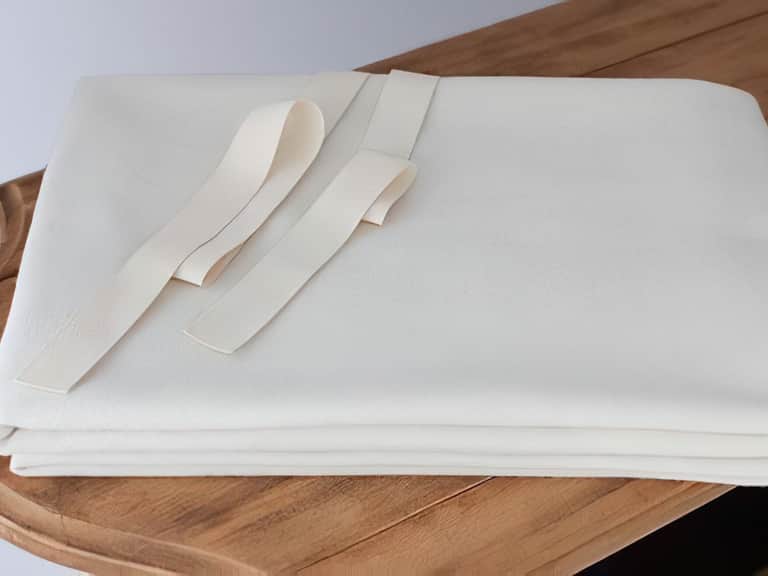
An organic cotton mattress is not necessarily made entirely from organic materials. Cotton might form the outer cover, serve as a layer of padding, or appear only in selected parts of the construction. Beneath that fabric could be latex, springs, foam, wool, or a combination of materials. The phrase can describe a meaningful feature, but by itself it does not explain the whole mattress.
Think of the mattress as a layered landscape. The cover is the visible surface; under it, comfort layers soften or contour; deeper layers provide support and help maintain the bed’s shape. Each layer has a different job, and each may use a different material. A cotton cover can be organic while the foam inside is not. Conversely, a mattress may combine several natural materials without every component carrying an organic certification.
That distinction matters because shoppers often use “organic” as shorthand for several separate ideas: natural, less processed, lower in certain chemicals, responsibly sourced, or environmentally preferable. Those ideas may overlap, but they are not interchangeable. Read the material list and certification details as carefully as the product name.
Start with a straightforward question: Which components are certified organic, and which are simply described as cotton, latex, wool, or another material? A clear answer should identify the component and explain the claim. If a page says “organic cotton” but does not say whether that refers to the cover, batting, or another layer, look for a fuller specification or ask the retailer to clarify.
Read the material disclosure from the outside in
Product descriptions can make a mattress sound like a single substance, but most are assemblies of materials. A useful disclosure names the cover fabric, quilting or padding, comfort layers, support system, and any fire barrier. It should also indicate where materials are blended. “Cotton blend,” for example, tells you less than a breakdown that identifies the fibers and their proportions.
When comparing organic mattresses, make a simple component list. Record what is known, what is certified, and what remains unclear. You do not need specialist knowledge to do this. The purpose is to separate verifiable construction details from broad marketing language.
- Cover: Is it cotton, a cotton blend, or another fabric? Is the organic claim specific to the cover?
- Quilting or padding: Is the surface cushioned with cotton, wool, synthetic fiber, or a mixture?
- Comfort layer: Does the mattress use latex, foam, fiber, or another material? Is its source and certification stated?
- Support core: Is support provided by springs, latex, foam, or a layered system?
- Fire barrier: What material is used, and does the manufacturer explain how the finished mattress meets applicable safety requirements?
- Adhesives and assembly: If disclosed, are layers glued, stitched, or assembled in another way?
A retailer may not publish every manufacturing detail, and the absence of a detail does not automatically prove a product is unsafe or poor quality. It does mean you have less information for comparing it. For an expensive purchase you expect to use nightly for years, transparent documentation is useful evidence of care and a practical basis for asking informed questions.
Keep notes in a small comparison table, especially if you are visiting mattress stores. One label may emphasize cotton, another latex, and a third spring construction. Recording the full build helps prevent one appealing word from overshadowing differences in comfort, maintenance, and durability.
Understand what certifications do—and do not—tell you
Certifications can help shoppers evaluate specific claims, but they are not all-purpose guarantees. A certification may apply to raw materials, a processing stage, a component, or a finished product. The scope matters. A certificate for one ingredient does not necessarily certify every layer in the mattress, the entire manufacturing process, or the product’s suitability for a particular sleeper.
When a brand names a standard, check the exact wording. Does the certification cover organic cotton, latex, or the finished mattress? Is the certificate current? Can you identify the certifying organization and the scope of the claim? A careful manufacturer should be able to explain these points without turning the conversation into a maze of vague assurances.
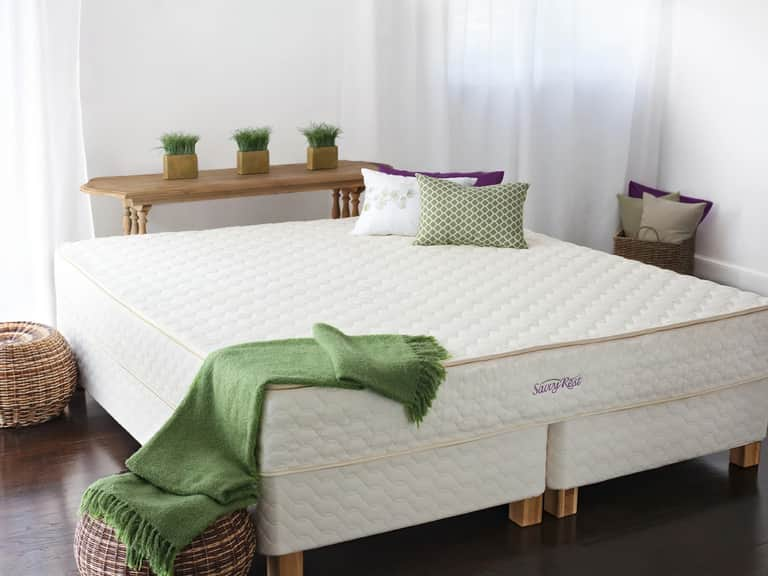
For example, the product details for the Savvy Rest Serenity Latex Mattress describe an organic cotton casing and organic wool quilting, alongside customizable layers of Dunlop or Talalay latex. The listing also describes organic certifications for its latex and identifies the source of several materials. It is a useful illustration of why shoppers should assess a mattress component by component: the cotton casing is one part of a construction that also includes wool and latex.
That example should not be treated as a recommendation for every sleeper. The Serenity is a customizable latex mattress, and its feel depends on the selected layer configuration. Its listed 10-inch construction includes three latex layers; the listing describes a 90-day layer-exchange policy and a 20-year limited warranty. Check current terms, availability, and any applicable costs directly before purchasing, since retailer details can change.
Certifications are most useful when paired with a complete material disclosure and a clear explanation of what the certification covers. Treat them as tools for verification, not as substitutes for checking comfort, support, warranty conditions, or return rules.
Cotton is only one part of comfort
Cotton can contribute to a soft, familiar cover and may be valued by shoppers seeking plant-based fibers. But the feel of a mattress depends on the complete build: the surface quilting, comfort layers, support core, and how those pieces work together. Two mattresses with similar cotton covers may feel markedly different because one contains latex and the other uses springs or foam.
Comfort is personal, and labels such as “plush,” “medium,” or “firm” are not universal measuring instruments. A mattress described as medium by one brand may feel firmer or softer than another brand’s medium. Your weight, body shape, preferred sleeping position, and sensitivity to pressure all affect how a bed feels. Even the base beneath the mattress can influence its performance.
Rather than choosing by material name alone, ask what the mattress feels like under the parts of your body that need support. Side sleepers often pay close attention to pressure at the shoulders and hips. Back sleepers may focus on whether the lower back feels supported without excessive sinking. Stomach sleepers commonly look for a surface that prevents the midsection from dipping too deeply. These are starting points, not rigid rules: bodies and preferences differ.
If you share a bed, consider both sleepers. Differences in body size, temperature preference, and firmness needs can make a single feel difficult to choose. Some designs offer split configurations or separately adjustable sides. In the Serenity’s Queen and King sizes, the product information describes options for customizing the sides independently. Ask how the configuration is assembled, whether the seam is noticeable, and what changes are permitted after delivery.
Whenever possible, test a mattress in a store. Lie down in your usual sleeping position for more than a few seconds; bring a pillow similar to the one you use at home; and notice whether pressure builds, movement travels across the bed, or you feel well supported. Store testing cannot perfectly recreate a full night’s sleep, so it should be combined with a realistic trial and a return policy you understand.
Match the construction to your sleep habits
A mattress purchase is not only a question of materials. It is also a decision about how the bed responds night after night. Consider whether you sleep alone or with a partner, whether you tend to sleep warm, how often you change position, and whether you need an adjustable base. These practical details can narrow the field more effectively than a long list of fashionable claims.
Latex mattresses are often selected by shoppers who want a responsive feel rather than the slower, more enveloping sensation associated with some foams. But “latex” covers different constructions, and firmness depends on the material, layer thickness, and configuration. If you are considering an organic cotton mattress that also contains latex, compare the latex specifications alongside the cotton disclosure. Do not assume that the word “latex” automatically means certified organic.
Mattresses with spring systems have a different structure and may have a more buoyant or familiar response. Foam designs can vary widely in density, layering, and surface feel. Hybrid mattresses combine support systems and comfort materials. Each construction can be comfortable or uncomfortable depending on the person; no category guarantees better sleep for everyone.
Temperature is another common concern. Cotton is breathable in many fabric constructions, but a cotton cover alone cannot determine how warm a mattress feels. Quilting, foam type, room temperature, bedding, pajamas, and personal physiology all contribute. If you sleep hot, ask about the whole mattress and try to distinguish a specific construction feature from a general claim such as “cooling.”
Do not overlook the bed base. Confirm whether the mattress can be used on a platform, slats, box spring, or adjustable foundation, and check any spacing or support requirements. A base that is incompatible with the mattress may affect performance and could complicate warranty coverage. If you are considering an adjustable base, verify compatibility for the exact mattress configuration and size.
Build a realistic budget
Organic materials and specialized construction can affect a mattress’s price, but a higher price does not guarantee a better match. Compare like with like: size, height, material layers, customization, delivery, setup, removal of the old mattress, and trial terms. A quoted mattress price may not include the full cost of getting it into your bedroom and setting it up.
Ask whether a mattress is sold with a foundation or whether that is an additional purchase. Check delivery fees, stair or room-of-choice charges, and the cost of removing an existing bed. If the mattress is customizable, find out whether the initial configuration includes the layers you want and whether future exchanges or adjustments involve shipping or service fees.
Consider the value of the entire ownership period, not just the first payment. A warranty can be reassuring, but it is not a promise that the mattress will feel comfortable for a certain number of years. Limited warranties usually cover specified defects under stated conditions; they commonly have exclusions and may require a suitable supporting foundation. Read the document rather than relying on a short sales summary.
It can help to define a spending range before entering a store. Decide what features are essential, what would be convenient, and what you are willing to forgo. For example, an organic cotton cover may be a priority, while a more elaborate customization option may not be. A written list keeps the conversation focused on your needs rather than on whichever feature is easiest to market.
Read the trial, return policy, and warranty carefully
A mattress can feel different after several nights than it does during a short showroom visit. A home trial gives you a chance to experience the bed in your own room, but policies differ substantially. Before ordering, find out when the trial begins, how long it lasts, whether there is a required adjustment period, and what condition the mattress must be in for a return or exchange.
Ask whether a return is truly refundable or whether it results in store credit. Check for pickup charges, restocking fees, shipping deductions, or limits on the number of exchanges. Some customized or special-order mattresses may have different terms from standard models. Get the policy in writing and save a copy with your receipt.
Warranty language deserves the same attention. Identify the length of coverage, what defects qualify, how a claim is assessed, and what the customer must do to maintain eligibility. Ask about body impressions, cover damage, stains, and approved foundations. A mattress protector may be helpful for everyday care, but confirm that the one you choose is compatible with the mattress and does not conflict with care instructions.
For a configurable mattress, clarify what the warranty covers and how the layers can be exchanged. A layer exchange may change the feel, but it cannot solve every comfort issue, and the process may have a limited window or specific conditions. Know the available options before buying, not after the mattress has arrived.
Questions to take to a mattress store
A calm, specific conversation can reveal more than a broad question like “Is this natural?” Bring your notes and ask the retailer to point to the evidence behind each claim. If a detail is not available on the showroom floor, ask where it is documented and whether the information can be sent to you.
- Which parts of this mattress are made with organic cotton?
- Does the organic claim apply to the cover, the padding, the whole product, or a certified component?
- What materials are used in the comfort layers, support core, and fire barrier?
- Which certifications apply, and can I review their scope or documentation?
- How does this mattress feel in the position I usually sleep in?
- Can the firmness or configuration be changed, and what does an exchange cost?
- What is the complete delivered price, including setup and old-mattress removal?
- What are the exact trial, return, exchange, and warranty terms?
- What foundation is required, and will my existing base meet the requirements?
Notice how the answers are given. Clear explanations should make it easier to compare products, not harder. If a claim relies on a complicated phrase, ask for plain language: what material is used, where it is used, and what evidence supports the description?
A practical pre-purchase checklist
Before placing an order, take a final pass through the details. This quick checklist turns a broad search into a series of manageable decisions:
- Trace the cotton: Identify the component made with cotton and confirm whether it is certified organic.
- Map the layers: Record the cover, padding, comfort materials, support system, and fire barrier.
- Verify claims: Check which certification applies to which material or part of the product.
- Test the feel: Lie down in your usual position and assess pressure, alignment, and ease of movement.
- Include your partner: Consider different comfort needs and whether split customization is available.
- Confirm the base: Make sure the foundation is suitable for the mattress and its warranty requirements.
- Calculate the full cost: Include delivery, setup, accessories, foundation, and old-bed removal.
- Save the terms: Keep copies of the trial policy, return conditions, warranty, and material disclosures.
If a product passes these checks, you will have a clearer sense of what you are buying and why. If important information remains unclear, pause and compare another option. There is rarely a good reason to rush a decision that will shape the surface you sleep on for years.
The clearest label is the one you can verify
Choosing an organic cotton mattress is a matter of looking closely at both the promise and the construction behind it. Cotton may be an important feature, but it is only one part of the story. The fibers around you, the layers beneath you, and the terms that protect your purchase all shape the experience of owning a mattress.
Start with transparency: find out exactly where organic cotton appears and what certifications cover. Then turn to comfort, sleeping position, temperature, partner needs, and the support system. Finish by checking the total price, return policy, warranty, and foundation requirements. These steps do not guarantee perfect sleep, but they do make the choice more informed.
In the end, a mattress is less a label than a small ecosystem of materials and decisions. The best choice is not necessarily the one with the longest list of natural-sounding words. It is the one whose construction you understand, whose feel works for your body, and whose claims and policies stand up to careful reading.
Frequently asked questions
Does an organic cotton mattress contain only organic materials?
Not necessarily. The phrase may refer to the cotton in a cover or another component, while the rest of the mattress uses different materials. Review the complete construction and the scope of any certification.
Is a cotton cover enough to make a mattress organic?
No single component establishes that every part of a mattress is organic. Check what is certified, which organization issued the certification, and whether it applies to a material, component, or finished product.
Are organic mattresses automatically more comfortable?
No. Comfort depends on the full construction and on personal factors such as sleep position, body shape, and firmness preference. Test the mattress when possible and use the home trial terms to assess it in your own space.
What matters most when comparing organic mattresses?
Look for transparent material disclosures, verifiable certification details, a feel that suits your needs, a compatible foundation, and clear return and warranty terms. Compare the full delivered cost rather than the headline price alone.