Overview
A latex mattress topper is more than a thin layer of padding. It is a strategic add-on that can redefine the feel of an existing mattress, refine body support, and influence temperature regulation. When choosing a latex topper, readers should consider the source of the latex, the production process, and the configuration of the topper itself. The right topper can transform a firm or uneven sleep surface into a balanced, breathable foundation, extending the life of a mattress while enhancing nightly comfort.
In this guide, we explore the nuances of natural versus synthetic latex, the Dunlop and Talalay processing methods, and how these choices translate into firmness, bounce, and thermal performance. We also highlight real-world considerations such as compatibility with your current mattress, maintenance, and brand considerations to help consumers navigate a crowded market without losing sight of comfort and durability.
Material Deep Dive: Natural vs. Synthetic Latex
Latex toppers sit at the intersection of comfort and performance. The two broad categories—natural latex and synthetic latex—differ in origin, composition, and feel. Natural latex is derived from rubber tree sap and is often processed through Dunlop or Talalay methods. Synthetic latex, while chemically similar in some aspects, does not carry the same natural composition and may behave differently under pressure and temperature changes.
Natural latex tends to offer a more resilient and buoyant feel with pronounced durability and a reputation for longer-lasting performance. It can deliver a responsive surface that newspapers a sense of spring without sensation of sinking. Meanwhile, synthetic latex can provide a consistent feel at a lower price point, but may not offer the same long-term resilience. For readers seeking a balance of eco-conscious materials and comfort, a natural latex topper from a trusted brand is often a preferred path.
Dunlop vs. Talalay: How the Process Shapes Feel
The production processes known as Dunlop and Talalay produce distinct feels in latex toppers. Dunlop latex is denser and offers a slightly firmer, more buoyant surface. It tends to distribute body weight evenly and can be a good choice for sleepers who want a balanced, supportive layer without excessive contouring.
Talalay latex, on the other hand, is often praised for its softness and consistent cell structure, yielding a feel that is more cushiony and breathable. Talalay toppers can provide a lighter, more responsive surface that still maintains good contouring. Some sleepers report a more buoyant sensation with Talalay, which can be beneficial for those who prefer a lighter initial feel.
The choice between Dunlop and Talalay should align with sleep position, body weight, and temperature preferences. Individuals seeking a cooler, more breathable experience may gravitate toward Talalay, while those prioritizing durability and a firmer baseline may favor Dunlop.
Brand Considerations: What to Look For
Brand choices often reflect a commitment to materials, craftsmanship, and transparency. When evaluating latex toppers, consider these criteria:
- Source and certification: Look for certifications that verify organic or natural content where relevant, such as GOLS (Global Organic Latex Standard) for latex layers and GOTS for textiles when applicable.
- Material composition: Understand whether the topper uses 100% natural latex, blends with synthetic latex, or uses a combination of Dunlop and Talalay layers.
- Airing and durability: Some toppers are designed with enhanced breathability, through venting or open-cell structures, to support temperature regulation over time.
- Cover materials: Removable, washable covers contribute to long-term hygiene and care, impacting overall usability.
- Warranty and care: A robust warranty and clear care instructions are indicators of confidence in the product's longevity.
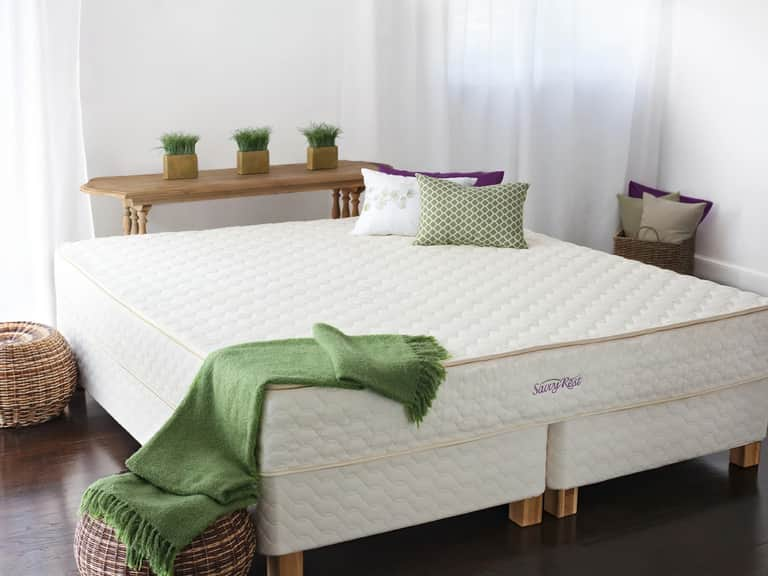
Examples of brands that emphasize organic materials, durability, and comfort in latex toppers include Savvy Rest, which offers Serenity latex mattresses made with organic Dunlop and Talalay latex, and other brands known for transparent ingredient disclosures. When evaluating a topper, verify product specifications directly from the retailer or manufacturer’s official listing to ensure accuracy.
From Concept to Comfort: How a Latex Topper Impacts Sleep
The right latex topper acts as a bridge between your body and your existing mattress. It can alter pressure distribution, support alignment, and overall sleep temperature. For side sleepers, a topper with a gentle contour can relieve shoulder and hip pressure while preserving spine alignment. For back sleepers, a firmer, more even surface supports the lumbar region without creating excess pressure. Stomach sleepers often benefit from a slightly firmer surface to counteract sagging that can occur with less supportive beds.
Temperature regulation emerges as a notable advantage of latex toppers, particularly when natural or latex blends are used in conjunction with breathable cotton or wool covers. Proper airflow through the latex layers helps minimize heat buildup, a common issue for memory foam toppers. The open-cell structure of many latex foams further contributes to ventilation, promoting a cooler, more comfortable sleep surface.
A Practical Guide to Selecting a Latex Topper
To choose a latex topper that aligns with your needs, consider a structured decision process:
- Identify your priority: comfort, support, temperature, or durability.
- Assess your current mattress: firmness, age, and any sagging or contouring issues.
- Determine desired feel: firmer or softer, and whether you prefer a more buoyant or cushioned surface.
- Choose production method: Dunlop or Talalay, natural versus blended latex, and the requested firmness configuration if applicable.
- Confirm compatibility: ensure the topper dimensions align with your mattress and bed framework.
- Review care requirements and warranty coverage to gauge long-term value.
For shoppers exploring this category within the mattress store ecosystem described in the site structure, consider a “Before You Buy” checklist that includes checking for certifications, testing feel in-store when possible, and asking for a layer-exchange option if dimensional or comfort mismatches arise.
Product Spotlight: Savvy Rest Serenity Latex Mattress
While a topper and a full mattress share many characteristics, some readers will encounter products that blur the lines between foundational layers and standalone toppers. The Savvy Rest Serenity Latex Mattress, for instance, exemplifies the premium end of natural latex constructions. It is a modular system designed with multiple latex layers, allowing customization for firmness and contouring. While not a topper per se, it highlights how layered latex in a single unit can achieve similar goals in terms of support and temperature regulation.
For readers curious about organic and natural materials in latex, the Serenity system demonstrates the potential benefits of Dunlop and Talalay latex configurations, certified organic cotton casings, and wool batting used as a flame barrier and insulating layer. If a consumer is considering a retrofit approach for an existing mattress, evaluating the principles of Serenity—layer customization, natural materials, and careful construction—can inform expectations when selecting toppers from comparable lines.
Link to product reference: Savvy Rest Serenity Latex Mattress.