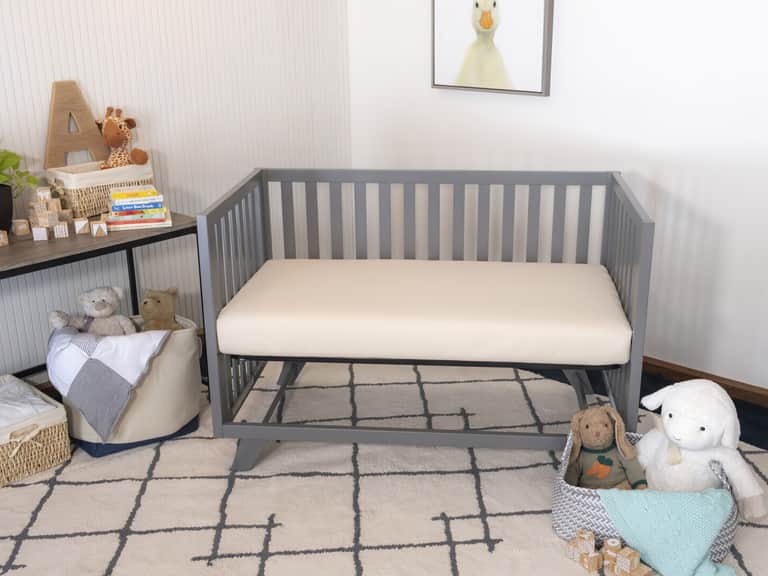
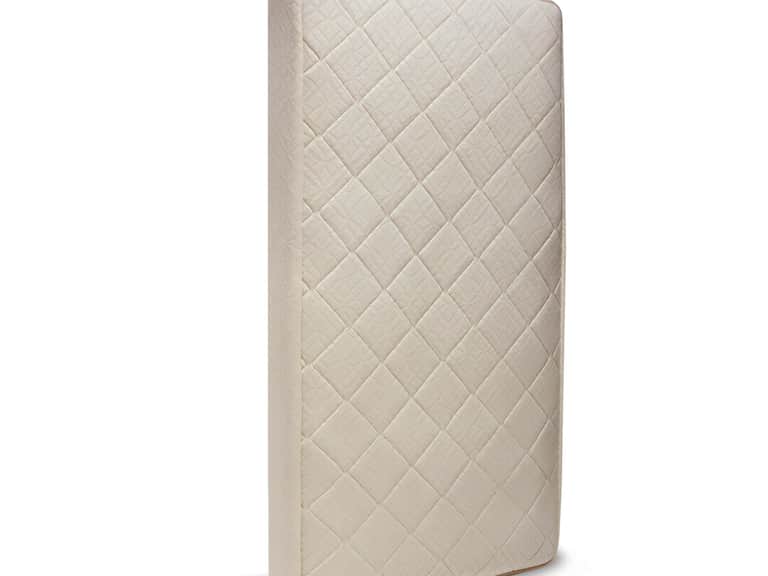
Crib mattresses provide a dedicated sleeping surface designed to support infants safely while accommodating essential growth needs. Key considerations include organic and non-toxic materials, a firm and flat sleep surface, and ease of cleaning. Understanding firmness level, breathability, and encasement durability helps caregivers select a mattress that aligns with safe sleep guidelines and routine care.
Breathability is a central feature for crib mattresses, reducing heat buildup and promoting comfortable, uninterrupted sleep. Materials such as breathable foams and moisture-wicking covers contribute to a cooler sleep environment. When evaluating toppers and surface layers, prioritize those that maintain structural integrity while enabling airflow around the infant's sleeping area.
In this category, the Naturepedic Ultra Breathable 2-Stage Organic Crib Mattress exemplifies a design focused on safe materials and adaptable comfort. Its two-stage functionality supports infants and toddlers, offering a firmer infant side and a softer toddler side. Features often include organic cotton fabric and certified organic materials for reduced chemical exposure.
Understanding compatibility with bedding and protectors is important for crib mattress care. Waterproof or water-resistant covers help manage moisture, while removable, washable covers simplify upkeep. For parents seeking long-term usability, durability considerations and ease of sanitization are essential, alongside ensuring that the mattress remains flat and properly fitted within the crib.
Additional relevant elements include broad material options such as latex and wool toppers, which can influence comfort and temperature regulation when used with crib mattresses. Knowledge about safety standards, certification labels, and appropriate pressure distribution supports informed decisions for child-appropriate sleeping environments and compatible bedding ecosystems.
 Nursery